Renovations Built to Be Inherited
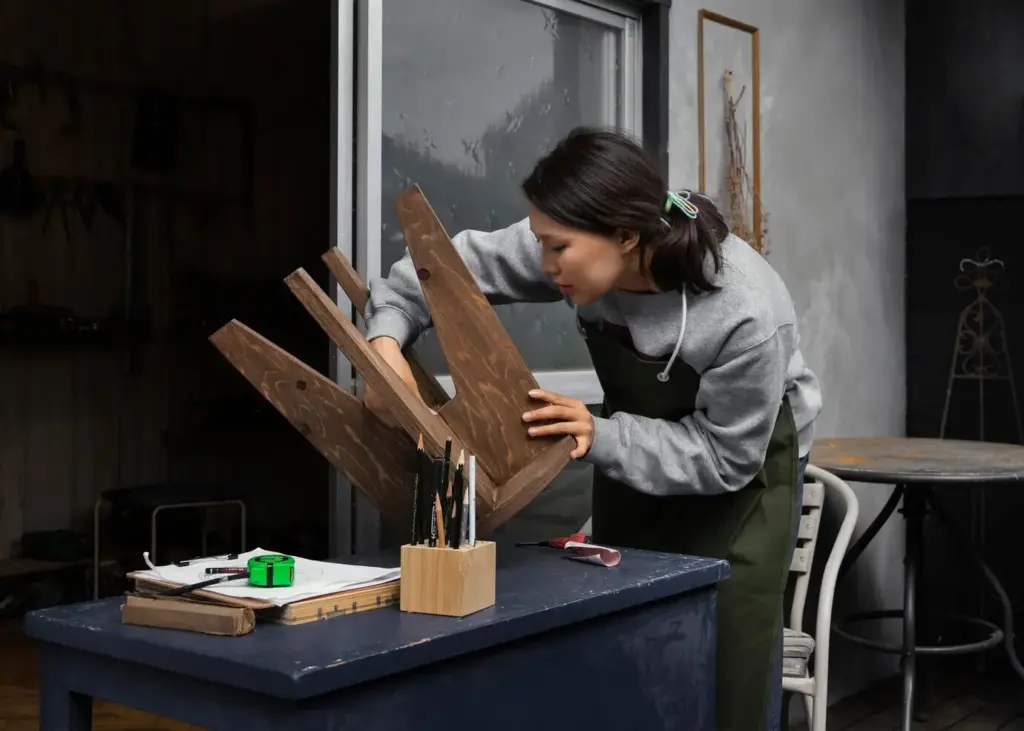
Today we dive into heirloom-quality home renovations, celebrating design decisions, materials, and craftsmanship that hold their dignity through decades of use and changing tastes. We’ll explore practical steps, touch real stories, and share lessons that help you build rooms deserving of pride and patient stewardship. Join the conversation, ask questions, and subscribe for thoughtful guidance that empowers your next confident, enduring renovation.

The DNA of Work That Lasts

Heirloom-quality renovation begins with decisions that respect time: restrained design, robust materials, and workmanship that welcomes repairs instead of replacements. By choosing proportion over novelty and craft over shortcuts, you create spaces that grow better with years of touch, light, and life. Share what durability means in your home, and compare notes on what truly stands up to daily use without losing soul.

Selecting Materials That Age Gracefully

Hardwoods, natural stone, solid brass, lime-based plasters, and wool feel better as they wear, developing character rather than damage. Choose finishes you can refresh without ripping out, and aim for materials that accept repair beautifully. Tell us which surface in your home has improved with time, and why patience with patina might be your best design decision this year.

Joinery, Details, and the Beauty of Restraint

Mortise-and-tenon joinery, dovetailed drawers, and full-depth screws outlast glued shortcuts and thin veneers. Quiet details—proper reveals, proportionate rails and stiles, aligned grain—signal care you can feel. When details are right, rooms breathe easily. Share your favorite subtle detail, the one guests can’t name but always appreciate, and consider how restraint makes every chosen accent more meaningful.

Timeless Proportions Over Trendy Profiles

Classic ratios—like 1:1.618 or simple thirds—create calm, legible rooms that never feel dated. Choose moldings scaled to ceiling height, casework aligned with window heads, and countertop edges that feel comfortable in the hand. Trends can inspire, but proportions endure. Comment with a trend you loved then left behind, and how refining scale delivered a longer-lasting satisfaction than novelty ever could.

Planning Across Decades, Not Seasons

A renovation meant to be inherited requires a plan bigger than today’s to‑do list. Start with a whole‑house vision, phase thoughtfully, and budget for longevity, not just completion. Document every choice so future caregivers understand intent. Your plan becomes a map that protects work quality when schedules tighten. Share your phasing challenges and what helped you stay true to long‑term goals.

Craft Techniques Worth Passing Down

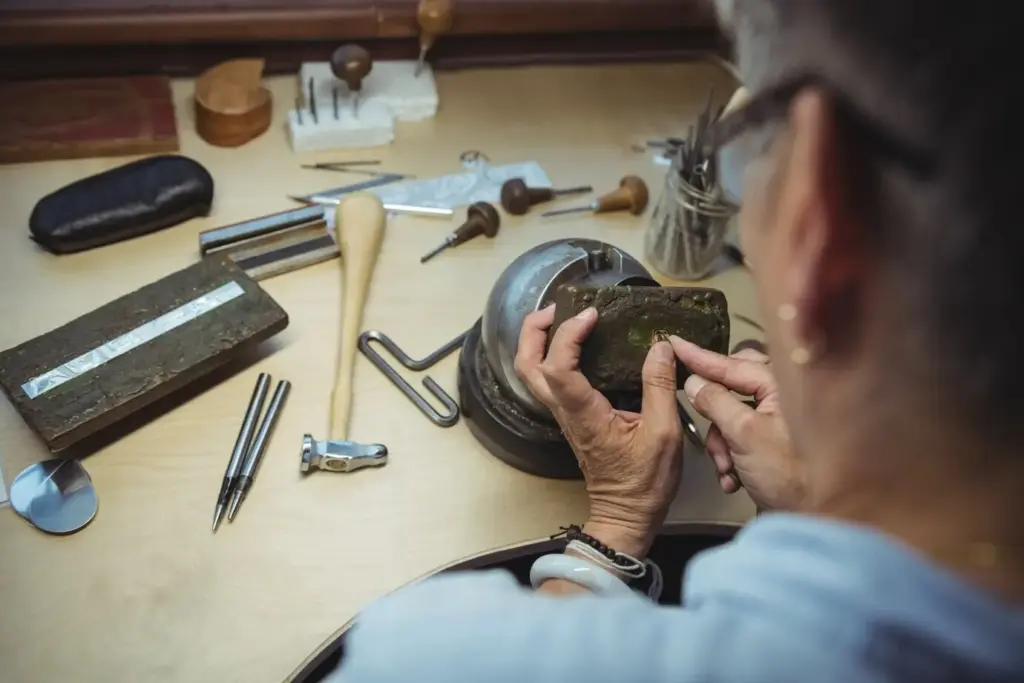
Enduring renovations rely on methods older than trends yet compatible with modern life. Restore before replacing, respect how materials move, and finish surfaces for breathability and repair. These techniques make future work easier, not harder. If you’ve watched a veteran craftsperson at work, describe what surprised you most, and how their slow, confident process changed your expectations for quality.

Salvage, Reuse, and Authentic Character

Old-growth boards, antique doors, and cast-iron registers bring history you cannot purchase new. De-nail, acclimate, and mill cautiously to preserve scars worth keeping. Match species carefully when blending new with old. Share photos or notes about a salvaged element you integrated successfully, and how its imperfections gave your room soul that manufactured nostalgia could never convincingly imitate.

Sustainable Supply That Doesn’t Cut Corners

Seek FSC-certified lumber, responsibly quarried stone, and finishes with verified emissions data. Ask for chain-of-custody documents and factory environmental reports. Choose durability over disposability to reduce lifetime impact. If you’ve balanced sustainability with aesthetics in a tricky decision, describe your criteria, who helped you evaluate options, and the compromise, if any, that delivered integrity without sacrificing daily delight.

Partnering With Local Craftspeople

Local artisans read houses like biographies, noticing seasonal movement, light, and regional quirks. Their proximity simplifies mockups, approvals, and adjustments. Support their shops and they’ll support your legacy when maintenance calls. Share how a local craftsperson improved your design through prototypes or site-built solutions, and why their insights proved more valuable than the fastest shipping or lowest price.

Stories From Homes That Chose Endurance

Real projects reveal how heirloom thinking plays out under pressure. Budgets flex, schedules slip, surprises hide behind walls, and yet the finish line feels inevitable when the vision stays clear. These snapshots show patience rewarded. Add your own experience in the comments, especially the moment a tough decision turned into a cherished detail you now notice every single day.

A 1928 Kitchen Reimagined Without Erasing Memory

Original fir floors were patched with dutchman repairs, then oiled; inset cabinet doors received traditional butt hinges; honed soapstone counters invited use, not fuss. The family kept a hand-painted growth chart on the door frame. Share how you balanced modern conveniences with period character, and which compromise—if any—still feels right each time you reach for a drawer.

Staircase Rebuilt to Carry Another Century

Creaks traced to loosened wedges and tired glue. Rather than replacement, the joiner re-wedged treads, added hidden screws into new blocking, and set a handrail with proper volutes. Oak took a penetrating oil finish for repairable sheen. Tell us about your most meaningful repair and how respecting original structure created safety, silence, and that sturdy, reassuring feeling underfoot.
Care, Rituals, and the Legacy Binder

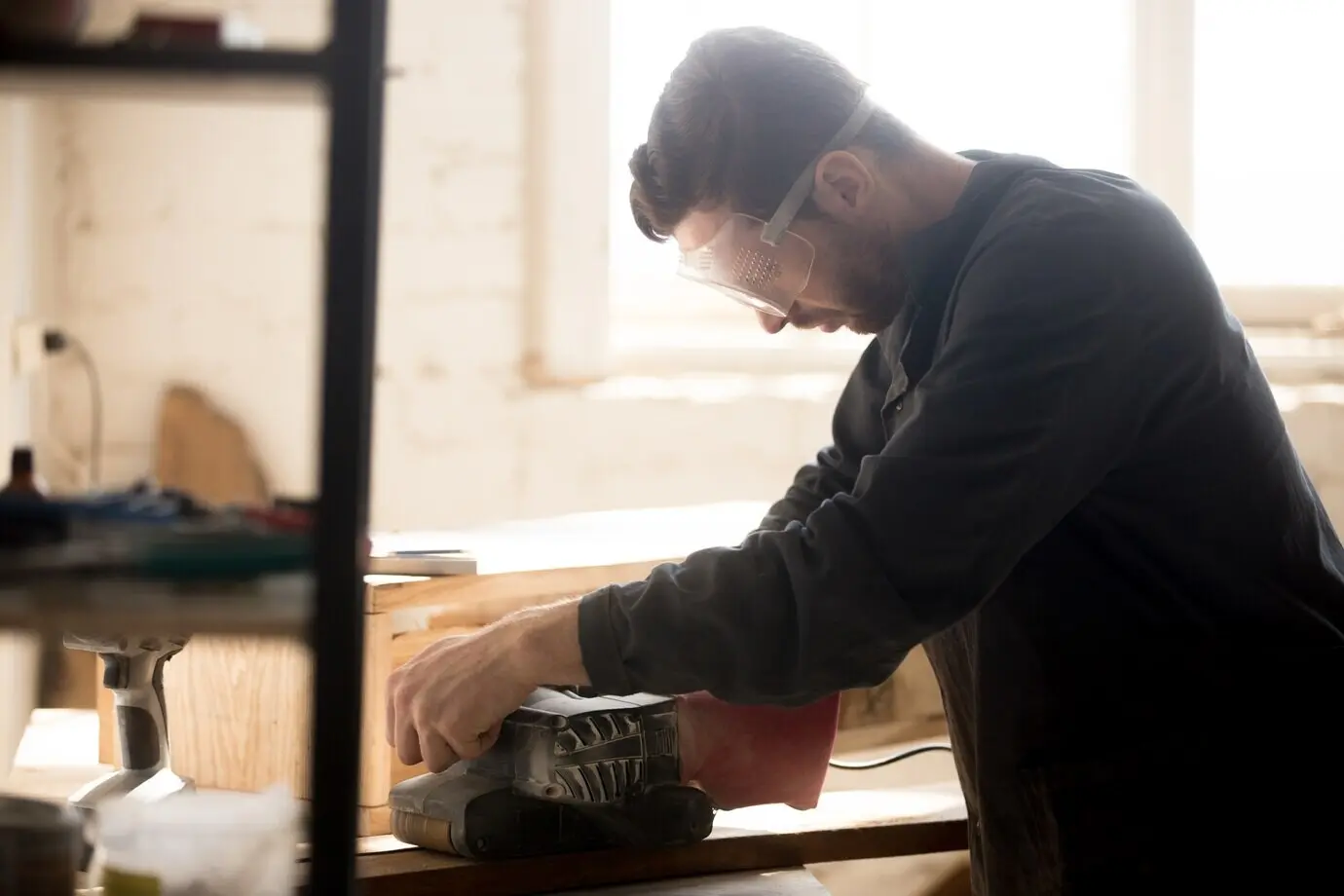
Heirloom-quality work isn’t finished at the final sweep; it begins its long, cared-for life. Establish rituals that preserve surfaces, check joints, and refresh finishes. Teach the next steward with clarity and kindness. Your binder, habits, and notes become quiet guardians. Share your maintenance calendar, products you trust, and how small seasonal tasks protect the big investment year after year.

01

Annual Maintenance That Prevents Regret

Schedule oiling for wood, waxing for stone, tightening for hardware, and inspection for caulk and flashing. Gentle, regular attention keeps issues tiny. Keep a labeled kit ready, and make tasks social with family participation. Tell us which routine made the biggest difference, and how thirty quiet minutes each season saved thousands by catching a problem while it still whispered.

02

Provenance, Receipts, and Future Appraisals

Keep artisan names, shop drawings, finish schedules, and material certifications together. Add before‑and‑after photos and notes on why certain choices mattered. Appraisers, buyers, and future family members will recognize care encoded in documentation. Share a time records protected value, secured a warranty claim, or simply reminded you how far the house has come since the first brave decision.

03

Teaching the Next Owner What Matters

Write a welcoming letter explaining how to treat surfaces, who to call for specialized work, and why certain quirks exist by intention. Offer a tour, digital copies, and a friendly invitation to ask questions. If you’ve inherited a well-documented home, describe how those notes built confidence, and how you plan to continue the tradition for the next caretaker.

Xekuhozininapohu
Privacy Overview

This website uses cookies so that we can provide you with the best user experience possible. Cookie information is stored in your browser and performs functions such as recognising you when you return to our website and helping our team to understand which sections of the website you find most interesting and useful.